Building design is evolving—moving beyond code compliance to prioritise resilience and recovery outcomes.
Traditionally, seismic design has focused on preventing building collapse but does not consider building damage or repair costs and downtime. For stakeholders that want their assets to be functional quickly following an event, there is uncertainty as to whether their building will perform as they hope, or if a retrofit is worth the investment. However, there has been a shift in thinking beyond delivering safe buildings, to incorporating strategies for cost-effective recovery and rapid restoration of operations.
In Canada, Ausenco is at the forefront of this movement and is bringing to the market advanced performance-based seismic design (PBSD) assessments that are already being implemented on projects internationally.
With over 275 seismic upgrade projects completed globally, we have been recognised as an industry leader in seismic engineering, upgrades and structural rehabilitation. Learn more about our performance-based seismic assessment services.
What is Performance-Based Seismic Design (PBSD)?
PBSD is a modern approach to assessing how a structure will perform during an earthquake and the resulting damage and downtime. At Ausenco, we use the current internationally recognized methodologies, FEMA P-58 and ATC-138, in seismic loss and recovery assessments.
Our services in action
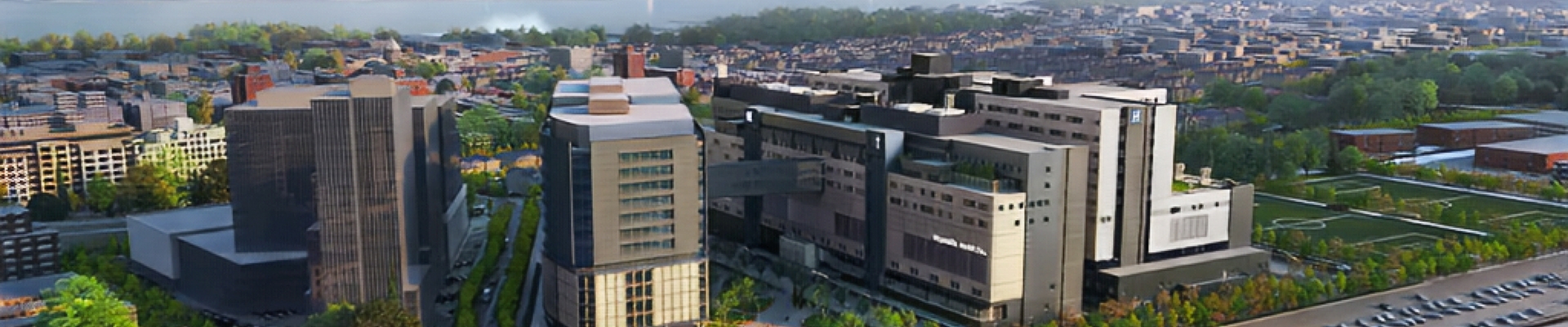
We utilised a performance-based approach to deliver Canada’s first seismic building performance assessment for the new St. Paul’s hospital in Vancouver's False Creek Flats, using FEMA-P58 methodology and SP3 (Seismic Performance Prediction Program) Risk Model software. This approach enabled us to provide the client with detailed insights into the behaviour of both structural and non-structural components for different intensities of seismic events and the resulting repair times and costs. Learn more about this project.
Speak to one of our experts to learn more about our services.