Key takeaways:
- Coastal areas are exposed to a wide range of risks and hazards, and port owners need to develop effective strategies to manage these risks, improve asset resilience and facilitate quick recovery of operations.
- A multidisciplinary, integrated approach is critical as risks are interconnected and tend to compound due to cascading failures.
- Understanding how risks evolve over the life of an asset is essential for effective capital planning and infrastructure design. Comprehensive climate, environmental and socioeconomic risk assessments should be completed at key points in the project lifecycle.
- Recent technology advances in computational modelling, cloud computing, AI, remote sensing and sensor technologies are making hazard assessments more accurate and accessible.
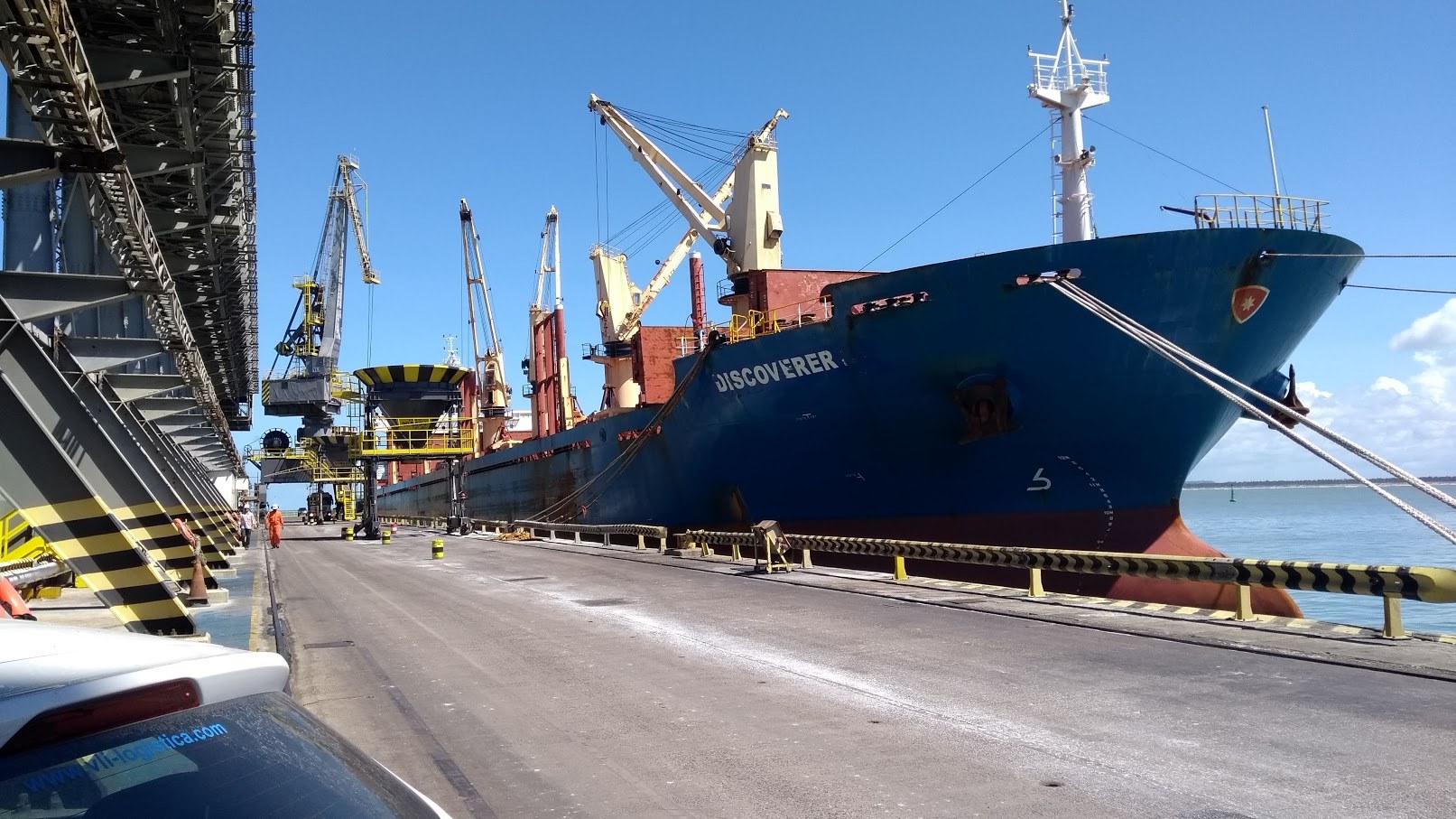
Ports are critical links in many mining supply chains and represent a major vulnerability point—particularly to natural hazards and climate change. As events around the world over the past few years have clearly demonstrated, closed ports can quickly lead to stalled mining operations, and protecting port infrastructure and operations needs to be top priority for the industry.
Coastal areas are exposed to a significant range of hazards and risks, and the impacts of extreme weather events like floods, cyclones and typhoons are often magnified. Natural hazards such as earthquakes, landslides and extreme sea states are some of the main hazards faced by ports. “Extreme sea states tend to disrupt many port operations almost every year in Chile,” says Camilo De La Barra, Ausenco’s Global Lead, Marine & Coastal, “and the effects go beyond the port itself. For example, port closures can result in supply backlogs, increased freight rates, market revenue volatility and impacts to surrounding communities.”
Additionally, rising sea levels driven by climate change present a significant threat to coastal infrastructure in many regions of the world. Infrastructure development along coastlines can also disrupt natural systems (such as the occupation and degradation of mangroves, sandbanks, beaches and other natural coastal buffers), making the effects of sea level rise even more pronounced. These issues are also highly relevant for nearby communities, which often face the consequences of poor coastal occupation and reduced natural protection. As these changes are gradual and cumulative, their risk is often easy to underestimate, even though its consequences are profound.
Coasts also face some unique risks like tsunamis. For example, in July 2025, an 8.8 magnitude earthquake in Kamchatka triggered tsunami warnings across the Pacific. Peru closed 65 ports. Evacuations were conducted from Chile though to Japan. Maritime traffic was rerouted across the Pacific. Ultimately, the impacts of the quake were fairly localised. However, it took weeks for port traffic to return to normal. And that was just one of the 16 official tsunami events tracked by the NOAA National Centers for Environmental Information in 2025.
Coastal resilience is brilliant
It is not surprising then that mine owners and investors are increasingly aware of the importance of ports and the need to effectively manage the risks that come with climate change and natural events. Mine owners are assessing the resilience of their ports. Governments are tightening up or adding seismic requirements to building codes for critical port and coastal infrastructure. Investors are broadening their due diligence to include Environmental, Social and Governance (ESG) risks.
The reality is that you can’t prevent natural disasters like earthquakes, tsunamis or extreme weather events. But you can manage their impact, improve resilience and prepare contingency plans that enable your organisation to rapidly recover and restore operations. The key is in understanding the risks and the options.
The first step is to get a better understanding of how different scenarios could affect your port infrastructure and operations — using tools such as flood modelling and flood risk management. These analyses can help engineers and operators assess whether critical electrical systems, fuel storage, communications infrastructure or loading equipment are adequately protected. Emergency response plans could be refined using realistic scenario-based assumptions. Evacuation routes, backup systems and business continuity plans could all be stress-tested against modelled events.
It is important that a multidisciplinary, holistic approach is used in this analysis. “Risks are all interconnected and tend to compound due to cascading failures,” says Benjamin Carrion, Ausenco’s Coastal Consultant Lead. “Over the years, we have seen the industry moving towards performance-based design for coastal infrastructure as this provides better resilience and enables infrastructure to better absorb, adapt and recover from severe events based on specific owner needs and operational requirements.”
We believe that at key points in the asset lifecycle, port owners should also consider conducting more comprehensive climate and environmental risk assessments to properly examine the full range of hazards likely to affect their asset over their operational life. This is particularly important given the long lifespan of mining and port infrastructure investments. Understanding how risks may evolve over the life of an asset is becoming essential for effective capital planning and infrastructure design. Many existing ports were designed 20+ years ago, when the risk for natural disasters was not as well understood. It is important to re-evaluate port infrastructure to ensure operations are adequately protected during extreme events.
While preventative measures are key, port operators will also want to improve their ability to monitor and forecast events in near real-time. Tsunami tracking systems, seismic monitoring networks (including earthquake early warning systems), satellite observations and ocean-based sensor systems are providing earlier warnings and more accurate situational awareness than ever before, allowing port operators to respond more proactively to developing threats.
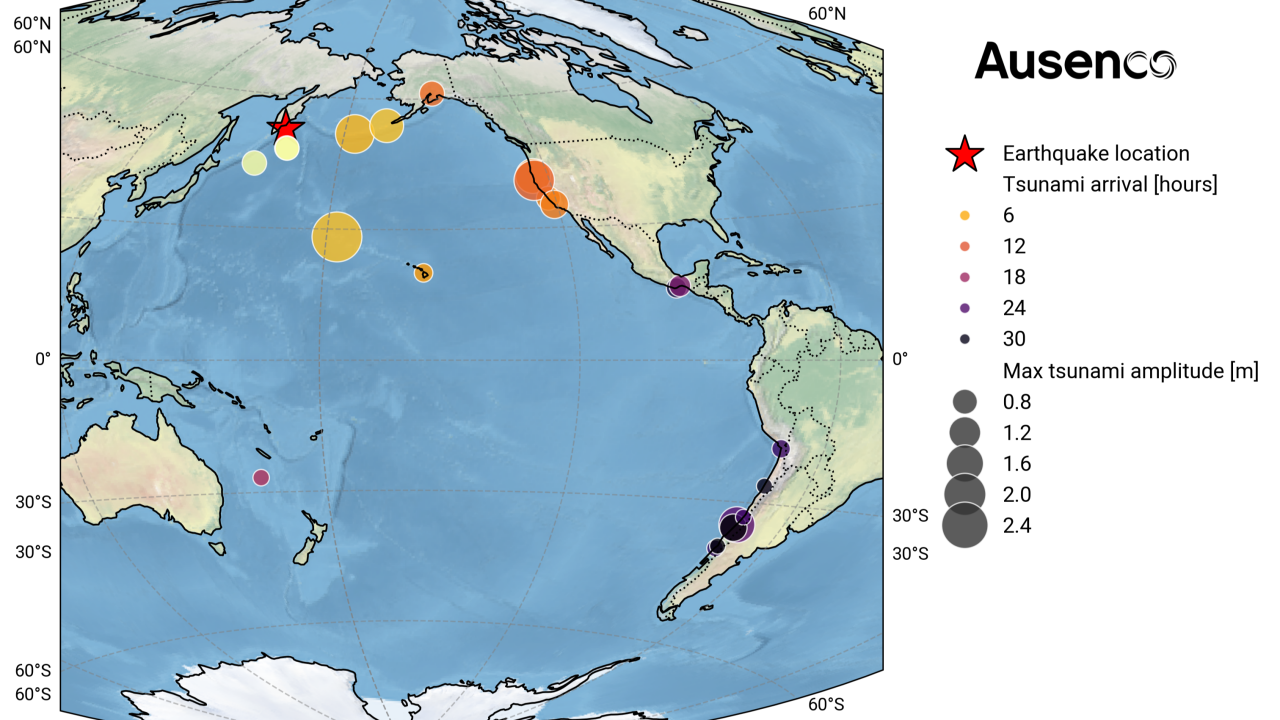
The transforming tech behind disaster resilience
The good news is that assessing and monitoring natural hazards like tsunamis and climate-driven extreme events have become much more efficient and effective over the past few years. Indeed, just a decade ago, tsunami modelling was widely considered as being too expensive and limited by insufficient data. That is changing rapidly. Now, more recent advances in computational modelling, cloud computing, remote sensing and sensor technologies are making hazard assessments more accurate and more accessible.
Today’s models can process larger and more complex datasets with greater precision and efficiency. Data quality has improved substantially using satellite imagery, LiDAR, IoT sensors, bathymetric mapping and continuous environmental monitoring systems. At the same time, analytics platforms powered by artificial intelligence and advanced statistical methods are improving forecasting accuracy and helping organisations identify risks that may previously have gone undetected.
These advances enable mining and infrastructure companies to make more informed decisions and smarter trade-offs about resilience investments and operational planning.
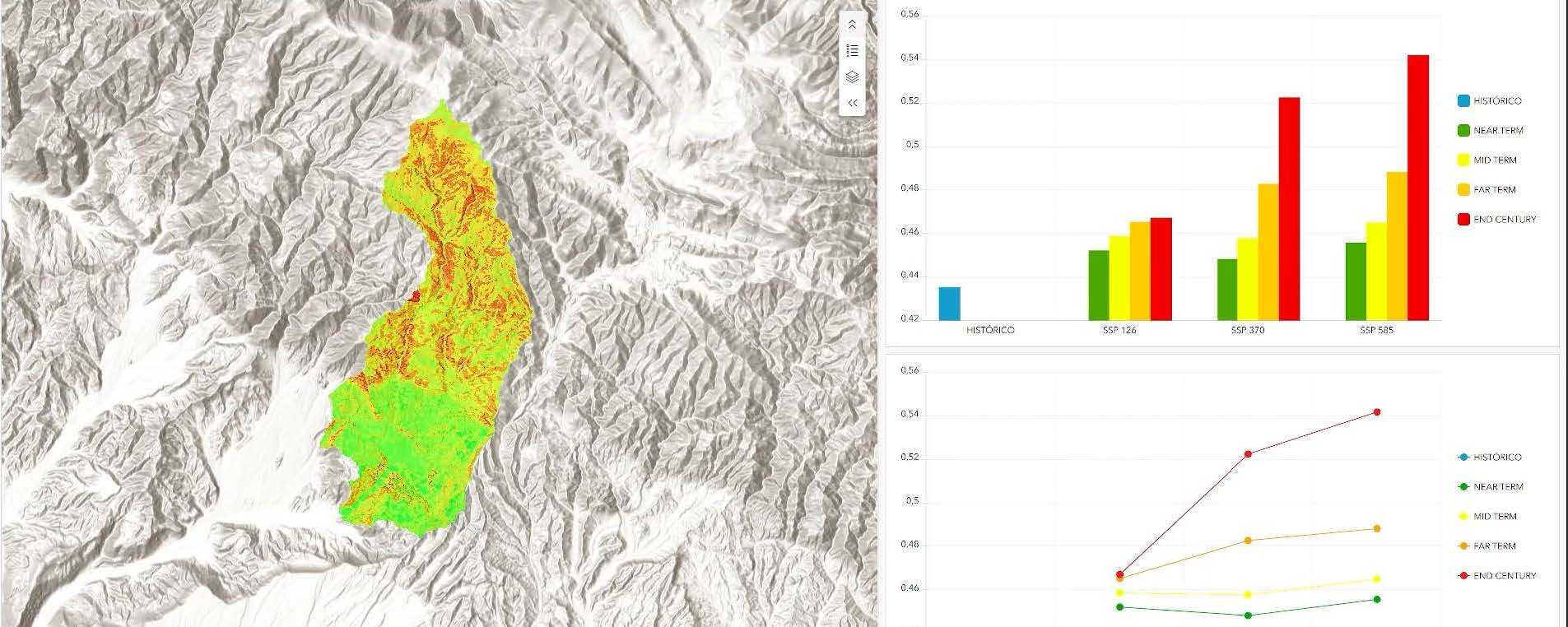
Protecting your ports to secure performance
At Ausenco, we work closely with mine owners, port operators and infrastructure investors to help assess evolving risks and translate these into practical mitigation strategies and tactics. Using our team’s multidisciplinary expertise in port and logistics, infrastructure, climate change, and sustainability, we bring an integrated approach to help clients ensure resilience considerations are incorporated into port developments from the earliest stages of project planning to reduce future operational disruptions and avoid significantly higher retrofit costs later. We can test multiple scenarios/options holistically across your port operations to determine the right investments for your operations.
We also work with ports approaching the end of their design life or concession cycles as owners reassess long-term operational risks, regulatory expectations and future environmental conditions. As infrastructure ages and climate-related hazards intensify, many operators are recognising the need to revisit assumptions that may no longer reflect current realities.
The bottom line for the mining sector is clear: ports represent a critical single point of vulnerability within the resource value chain. However, with advanced modelling, real-time monitoring, climate risk assessments and resilient infrastructure planning, we believe that mining companies and investors can effectively manage their risks and better protect their assets, investors and local communities.